Does Patrick Kane Really Play the P88? We Held His Real Blade
Does Patrick Kane Really Play the P88? We Held His Real Blade

Ask ten people in a hockey shop about the P88 and at least eight will call it “the Kane curve.” The name sticks to that pattern so firmly that almost nobody questions it. We held Kane's real pro stock blade – and the short answer is: no, Patrick Kane does not play a P88.
What's Printed on the Stick

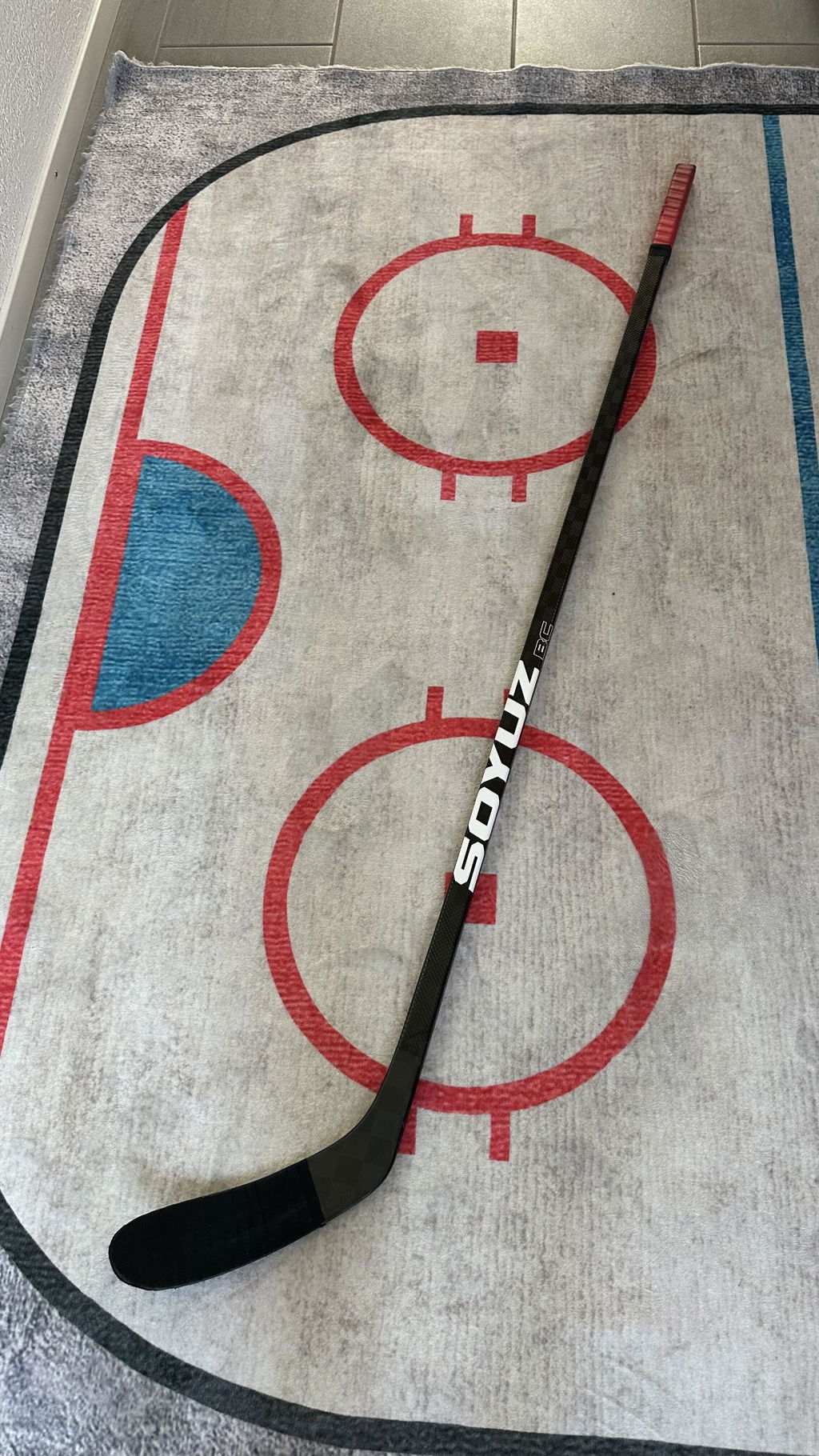
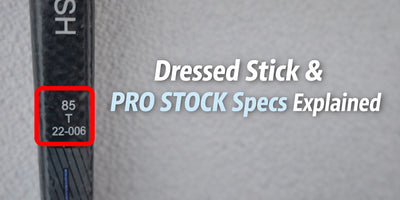
- Model: Bauer Vapor 1X
- Flex: 77
- Spec code: 2208-9
- Blade: Kane's pro curve – listed in the trade as PRO1088

One caveat we're not going to skip: the blade is the original Kane curve, no question about that. Whether this particular shaft in this particular flex was ever played by Kane himself, we can't prove. Pro stock sticks also exist as sample and backup builds, and published figures for Kane's flex vary. What matters here is the blade – and that one is genuine.
The Real Kane Curve: PRO1088
Kane's pattern is one of the best-known custom blades in the NHL – and it doesn't descend from the P88 at all, but from the old retail P10 “Shanahan”. Compared to the P10 it is:
- somewhat flatter with less toe
- built with a bigger dip at the heel
- a bit shorter in the blade
- finished with a more angled, square toe
That square toe is the most obvious difference. The retail P88 has a round toe. Hold the two side by side and you see it immediately.
Real Kane Curve vs. Retail P88

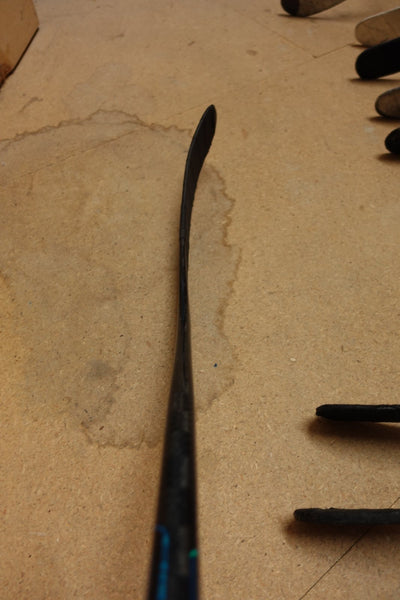
The retail P88: mid curvature, round toe. Compare that to the square toe in the first photo.
| Feature | Kane Pro (PRO1088) | Retail P88 |
|---|---|---|
| Origin | Derived from the P10 “Shanahan” | Standalone retail pattern |
| Toe shape | Square, angled | Round |
| Heel | Pronounced dip | Even transition |
| Blade length | On the short side | Standard |
| Available as | Pro stock | Everywhere at retail |
So Why Do Retail Curves Carry Player Names?
It isn't a scam, it's industry practice. Retail blades are standardised compromises for a mass market. A pro curve gets tuned to one single player over years – it could neither be mass-produced economically nor would it suit most amateurs.
So what the industry does is take a player's characteristics – in Kane's case the balanced, controlled mid curve with a neutral face – and build a pattern from it that works for many people. The name gets attached because the name sells.
The same principle explains why the P28 is called the “McDavid curve” everywhere even though McDavid plays a more mid-curved blade. And why Andres Ambühl's stick carries no blade code at all – his shape is so specific that no retail equivalent exists.
Does That Make the P88 Worse?
Quite the opposite. The P88 deserves its place among the most popular patterns ever made: neutral face, excellent backhand, very forgiving. For all-round players and beginners it's one of the best options on the market. We also offer it as a raised P88 + ¼ in our Pro Custom configuration.
The one thing this article sets straight: buy it because it suits you – not because you think you're playing Kane's blade. You aren't.
The Player
Patrick Kane was drafted first overall by the Chicago Blackhawks in 2007 and ranks among the best American players in NHL history. Three Stanley Cups, a Hart Trophy, a Conn Smythe Trophy – and a style built on wrists, puck feel and timing rather than raw power. His blade is built for exactly that: short, controlled, with a toe that works with him in tight puck handling.
Not sure which curve fits your game? Take our 2-minute stick finder and find your model.


 SOYUZ HIT GRIT
 SOYUZ AURORA
 SOYUZ ARCANE