Brayden Point Curve: The Extreme Toe Hook Explained – and the Closest SOYUZ Curve
There are curves you play – and curves people talk about. The Brayden Point curve clearly belongs to the second kind. Pick one up for the first time and you'll turn the blade over twice: at the front, a toe hook bends away that no retail pattern from Bauer, CCM or Warrior offers. That's exactly why it gets hunted, traded and argued about in forums. Here's what's behind the Point curve, what it can really do – and which SOYUZ curve comes closest.
Who plays it?
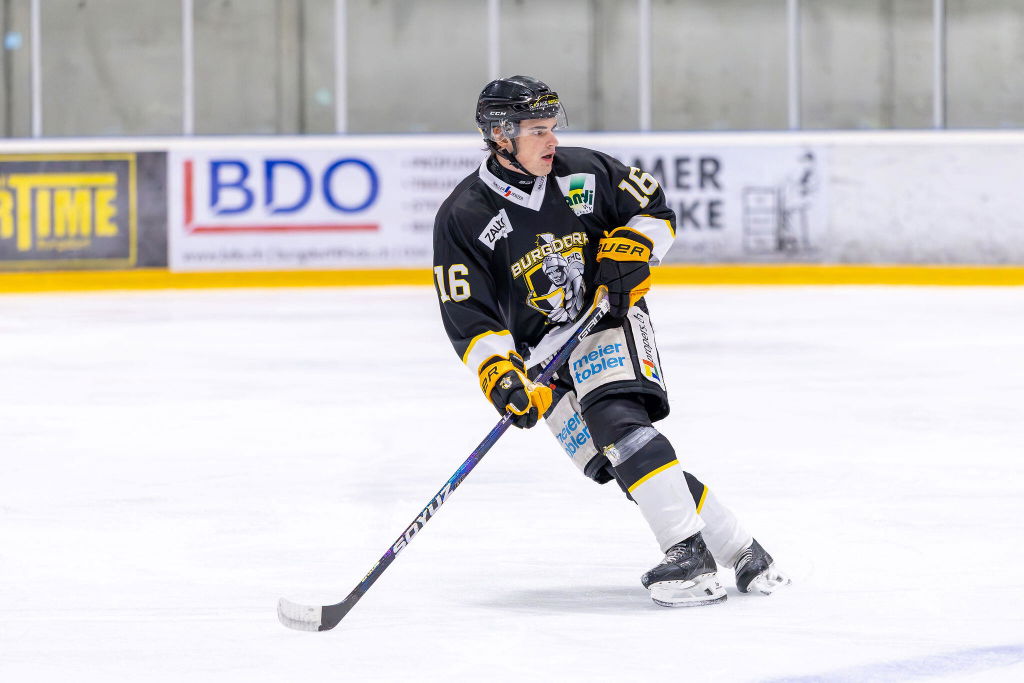
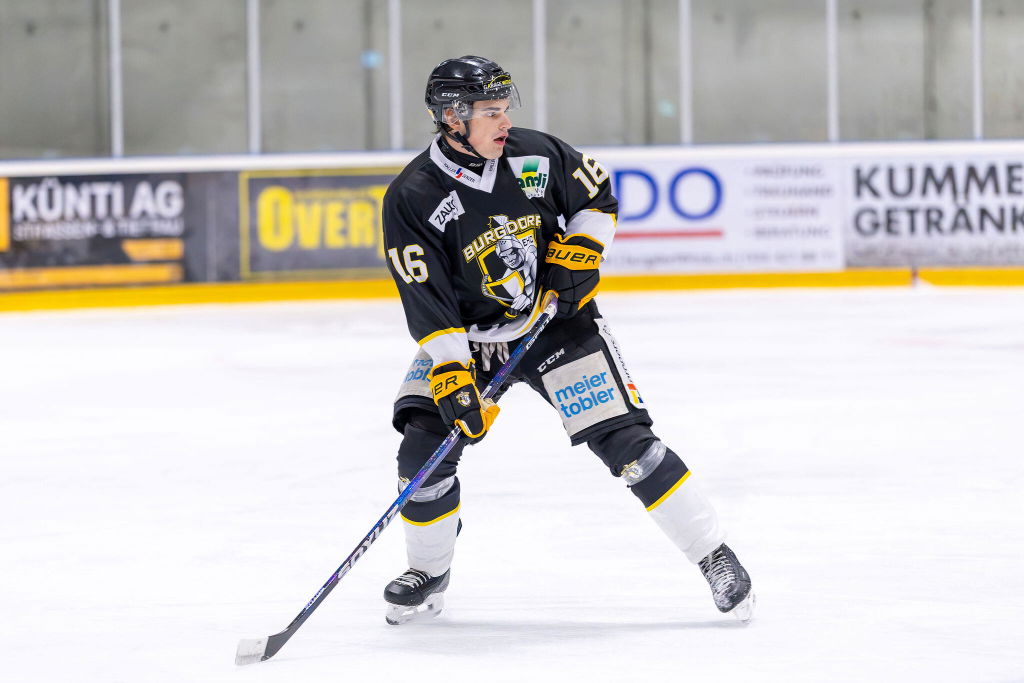
Brayden Point, centre for the Tampa Bay Lightning, two-time Stanley Cup champion and one of the most efficient goal scorers in the league. His trademark isn't a bomb from the blue line – it's the finish from the slot: take the pass, pull it in, gone – often before the goalie is even set. And his blade is built for exactly that shot.
What the Point curve looks like
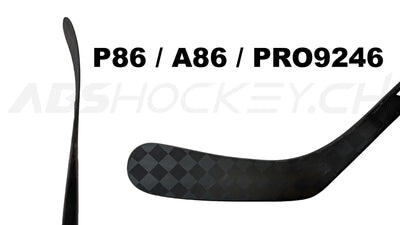
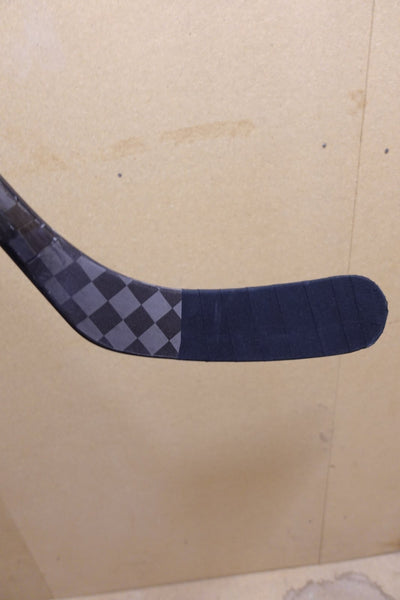
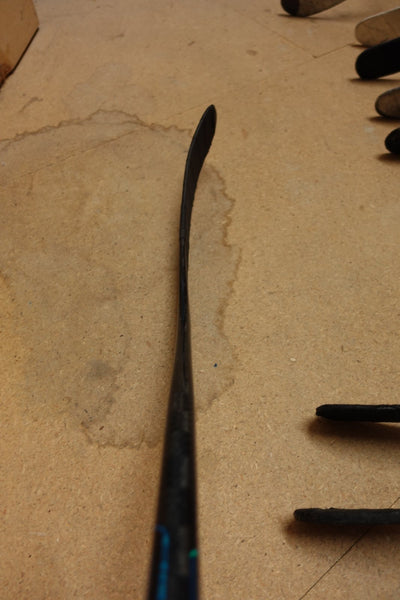
At its core, the Point curve is a mid curve – the bend starts similar to a P88, fairly tame and centred. The difference comes in the last third of the blade: that's where an extreme toe hook kicks in, far stronger than any retail toe curve. The toe itself is squared off at the bottom, which gives the front of the blade more contact surface than you'd expect with this much hook. Pro stock examples typically run a lie 6.
If you know our curves: the base shape is comparable to the P71. But the Point curve has more toe – and the aggressive toe bend starts later. That's the decisive point, because this "late but heavy" is what defines its character.

What the Point curve does well
Release in tight spaces. The extreme toe lets you pull the puck in very close to your body and finish out of the motion – no wind-up, no warning. In the slot, through traffic in front of the net, after a short cut: that's exactly where it shines.
Quick elevation. Because the puck rolls off the toe on the shot, it gets up fast. Under the bar from five metres out isn't a trick with this blade – it's standard.
Toe drags, toe drag shots and dangles. The hook "catches" the puck. If you like to pull around a defender and shoot straight away, the Point curve gives you far more control in motion than a classic mid curve.
And what it costs you
Honestly: the backhand. It's clearly harder with the Point curve than with a P92 or P88 – this much toe hook can't be argued away on the backhand. The consolation: because the toe starts so late, the middle section of the blade stays relatively neutral, so the backhand remains playable. Not comfortable, but possible. If you're a centre who plays a lot of backhand passes or faceoff work, keep that in mind. And as with every aggressive toe curve: give it two or three practices before you judge it.

Which SOYUZ curve comes closest to the Point curve?
The Point curve only exists as pro stock – with luck, and at collector prices. If you want the feel without hunting on eBay, we have two candidates – depending on your hand:
P116 – for right-handed shooters. Very similar toe, very similar base shape, lie 5.5 (SOYUZ 6.5). If you want to play Point and shoot right, this is our clear recommendation. We carry the P116 as RH only.
P67 – for left-handed shooters. Also a strong, very similar toe hook, lie 5 (SOYUZ 6). The best approximation of the Point curve for everyone who shoots left.
P71 – the base shape. If you like the character but want a bit less toe, you'll land on the P71: same base, the hook is more moderate and starts earlier. A good entry point if you're not sure yet about this much toe.
You can put all three side by side in the 3D Curve Lab, rotate them and compare the measurements – lie, toe opening, blade length, all at a glance. And all three are available as a custom stick from a single piece, on every SOYUZ model.
Which shaft goes with it?
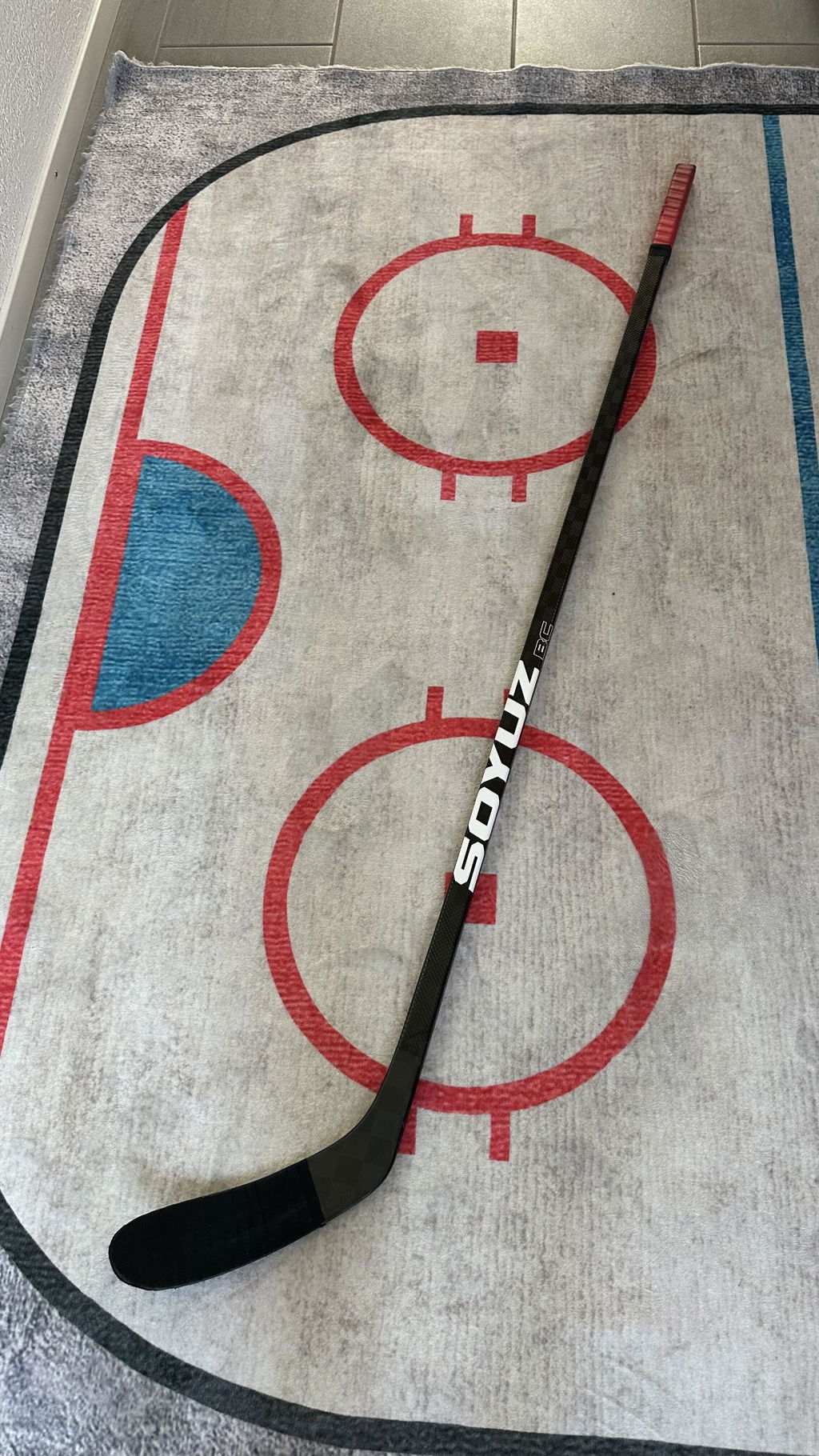
The Point curve is a release blade – and a release blade wants a shaft that's just as quick. For the typical Point style (finishing from the slot, snap shots in motion), an ultra-low kick fits best: the SOYUZ ARCANE is our top model for explosive shooters, the SOYUZ RAPID delivers the same base with an ergonomic D-shaft. Centres who need more all-round character do well with the HIT GRIT (hybrid kick). More on that in the kick point guide.
Who is the Point curve for?
For forwards who score from the slot and in motion, like working the puck on the toe, and accept a weaker backhand. Not for players who pass a lot off the backhand, or for beginners who still need a balanced blade – there the P92 remains the better choice. If you've been playing P28 and the toe still isn't enough for you: welcome, you're in the right place.
Frequently asked questions
Is the Brayden Point curve a retail curve? No. It exists only as a pro stock pattern. None of the big brands offer a retail pattern with this toe.
Which SOYUZ curve is most similar to the Point curve? The P116 for right-handed shooters, the P67 for left-handed shooters. Both have a very similar, late-starting toe hook.
Can you play backhand with the Point curve? Yes, but it's clearly harder than with a mid curve. Because the toe starts late, the backhand still remains possible.
Which lie fits? The pro stock version runs a lie 6 (Bauer/CCM scale). Our alternatives: P116 with lie 5.5 (SOYUZ 6.5), P67 with lie 5 (SOYUZ 6) – the first number is the CCM lie, the number in brackets is printed on the SOYUZ blade, which counts one point higher. Which lie suits you depends on your height and skating stance – in the Curve Lab you can see the values side by side.

 SOYUZ HIT GRIT
 SOYUZ AURORA
 SOYUZ ARCANE