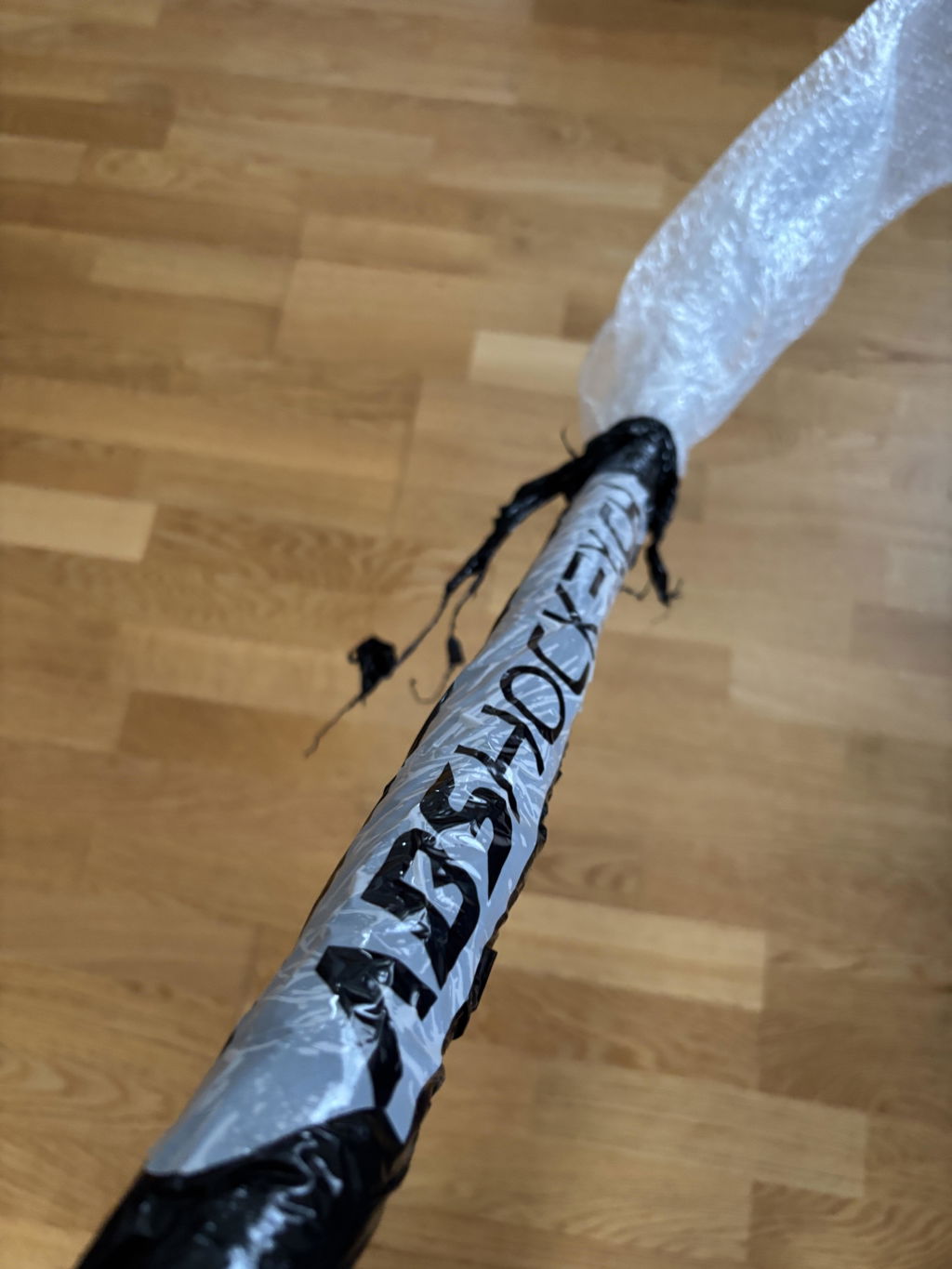
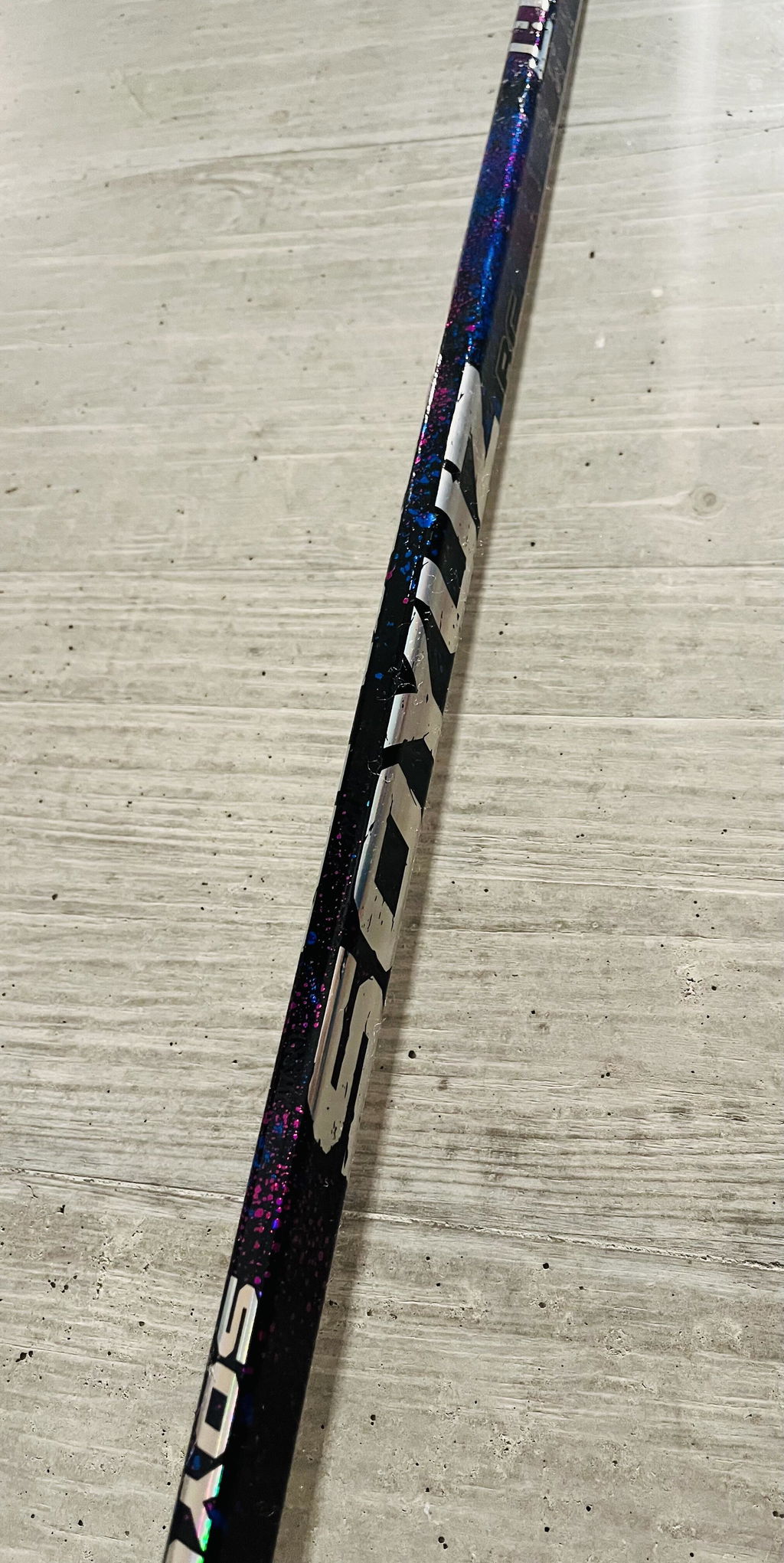
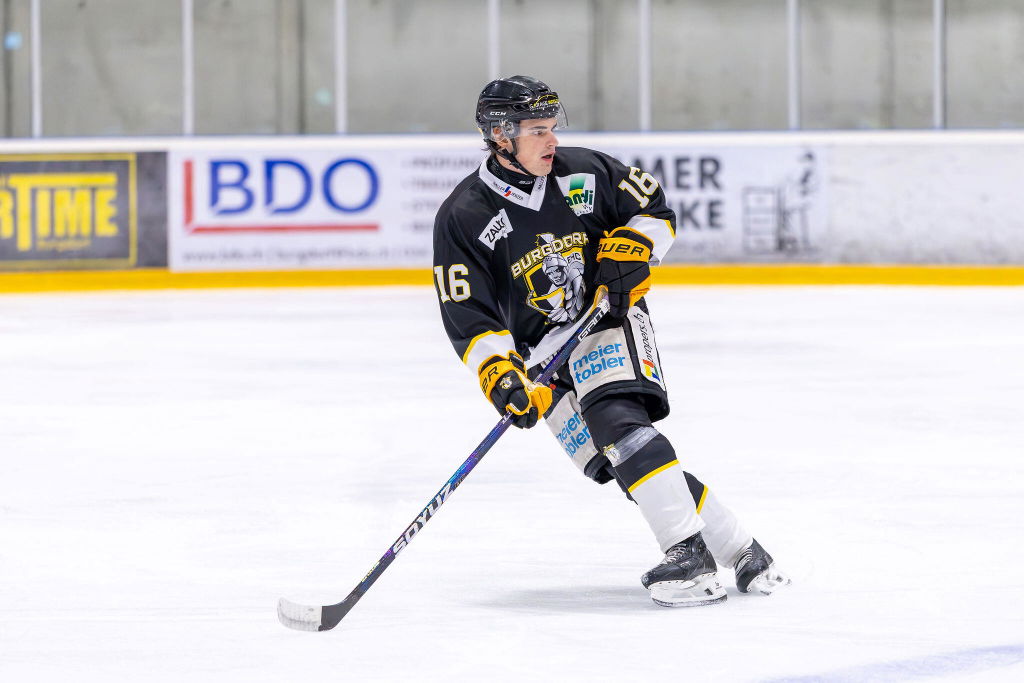
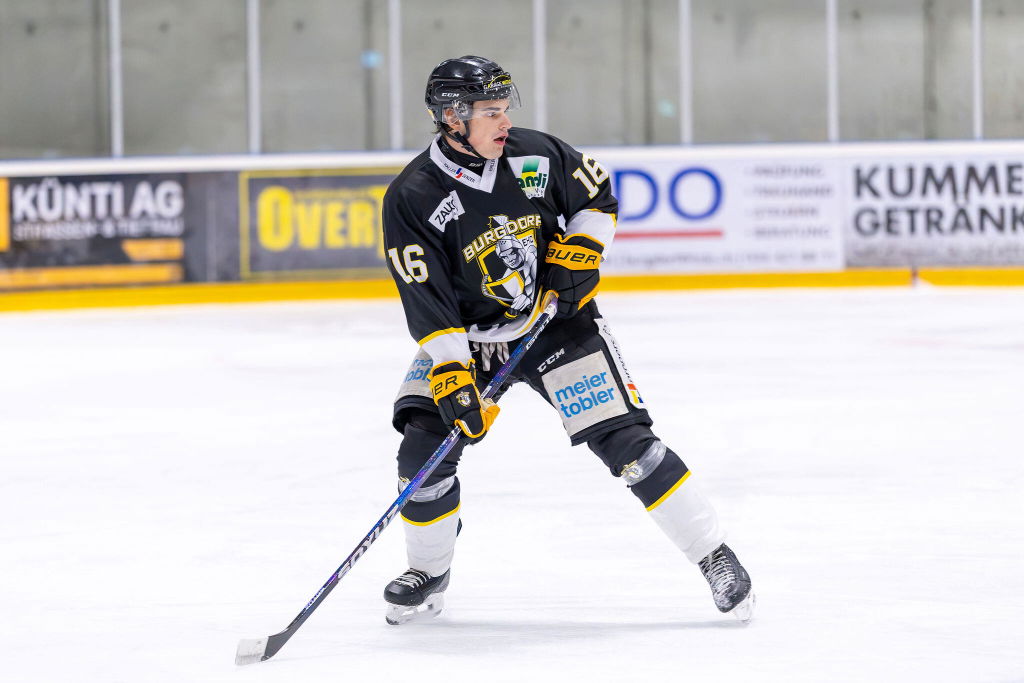
Why Does My Hockey Stick Keep Breaking? 7 Reasons – and What Actually Helps
Last updated: 27 October 2026 · by Andri Farrer
Crack – and your new stick is done after three weeks. Everyone who plays hockey knows that sound. And almost everyone asks the same question afterwards: bad luck, a defect, or did I do something wrong? The honest answer: usually none of those on its own. Carbon sticks don't break at random – they break in typical places for typical reasons. Know them, and your stick will last noticeably longer. You'll also know when a break is a warranty case.
The short answer
Why do sticks break? Almost always because of earlier damage: a slash, a blocked shot or a nick that weakens the carbon. The actual break often happens days later – on the next hard shot.
Where do they break? Most often in the lower shaft, then at the transition to the blade (the hosel) and in the blade itself.
Warranty? At Bauer, CCM and with us it's 30 days – for material and manufacturing defects, not for damage from play.
What helps? Tape your blade, check the shaft for nicks regularly, don't use the stick as a lever or a bench – and always keep a backup stick in your bag.
Where hockey sticks break
A modern stick is a hollow carbon tube with a blade made of carbon around a foam core. It's built to flex, not to take hits from the side. That's exactly why sticks almost always break in the same three places:

| Zone | Typical trigger | What it looks like |
|---|---|---|
| 1 · Lower shaft | an opponent's slash, a puck on the shaft, a slapshot after earlier damage | a clean or frayed break across the shaft, often at the height of your bottom hand |
| 2 · Hosel | a puck or skate on the heel, a shot with too much ice contact | a crack or break just above the heel |
| 3 · Blade | blocked shots, posts, boards, a worn toe | chipped toe, soft blade, a crack across the blade |
That matches the research: in a failure analysis of ten carbon sticks from an NCAA Division I program, presented at the materials conference IMAT 2026, the breaks occurred predominantly in the shaft. The Exponent authors look at whether manufacturing issues (voids, misaligned fibres, too little resin) or design factors such as stress concentrations are behind them.
Source: A. Seamone (Exponent), "Failure Analysis of Elite-Level Carbon Fiber Composite Hockey Sticks", IMAT 2026, abstract.
The 7 most common reasons your stick breaks
1. The slash you forgot about
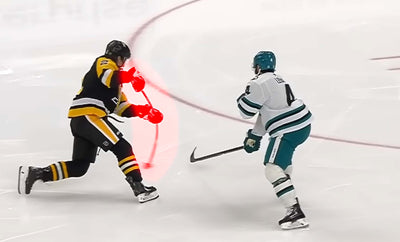
The classic. One slash on the shaft is enough to leave a fine crack in the carbon that you can barely see from the outside. The stick holds – until the next one-timer. Then it snaps, and you think the shot did it. It didn't. The shot was just the moment the earlier damage gave way.

2. Blocked shots and pucks on the shaft
A hard shot on the blade or the lower shaft is brutal for carbon. Defensemen who block a lot of shots lose more sticks than wingers. The pros see it the same way: in a theScore report, NHL defenseman Kevin Shattenkirk says sticks break "easier" today because of how they're made and how hard players shoot.
3. Nicks, chips and scratches
Every nick in the shaft is a weak point waiting to fail. Carbon carries load through continuous fibres – damage one layer and the stress concentrates right there. So: run your hand along the shaft after every game. If you feel a nick or see a pale spot in the finish, keep using the stick in practice, but don't rely on it in a game.
4. Shots with too much ice
If you hit the ice far behind the puck on a slapshot, the hosel and lower shaft take a hard impact instead of a clean flex. A good shot loads the stick just before the puck – no chopping into the ice.
5. The blade goes soft or chips
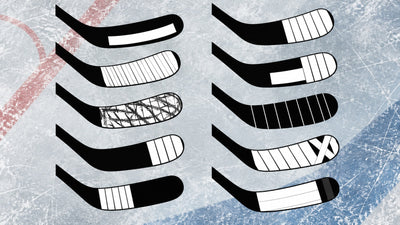
The blade takes every puck, every post and every board battle. Over time it softens, the toe frays and, in the worst case, it cracks across. Good tape protects the blade noticeably – how to tape it properly is in our tape guide.
6. A real material or manufacturing defect
It happens, at the big brands too. Typical signs: the stick breaks very early, without any obvious hit, in an unusual spot – or it breaks the same way several times in a row. That's what the warranty is for – more on that below.
7. Mistreatment off the ice
Using the stick as a lever to pry open the bench door. Sitting on it in the locker room. Getting it caught in the car door. Wedging it across your bag in the trunk. Sounds trivial, but exactly this kind of sideways load is what a carbon tube handles worst.
Lighter stick = more fragile stick?
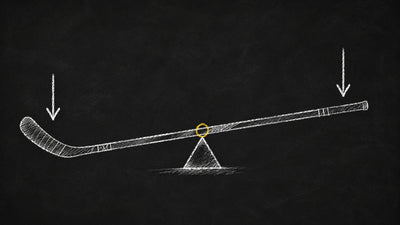
Not automatically, but the trend is real: saving weight means saving material. That's why pros go through a surprising number of sticks. According to theScore, defenseman Ian Cole uses 50 to 70 sticks a season, and Patrick Kane takes a new one for every game. For pros a stick is a consumable. For you it isn't.
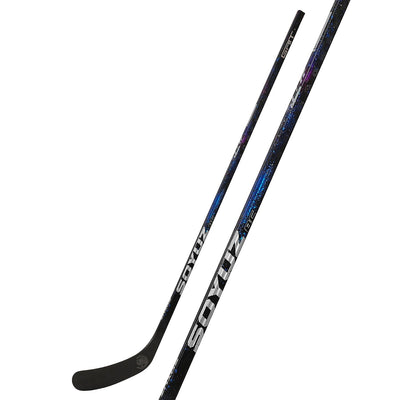
My take: as a recreational or amateur player you don't need the lightest stick on the market. You'll barely feel a few extra grams – a break after three weeks you'll feel in your wallet. At SOYUZ, the STD PRO is built exactly for that: 400 g in SR, low kick, and flexed 12,000 times at maximum force in SOYUZ's test lab without breaking. If you want it lighter, take the AURORA at 365 g. How weight and balance affect the feel is explained in our article on balance and swing weight.
A word on the flex test: it measures how many times the shaft survives a bend. It says nothing about what a slash from the side does. No stick in the world is slash-proof.
Broken stick or warranty case?
A warranty covers material and manufacturing defects – not damage from play. And it's short: at CCM it's 30 days from purchase; at Bauer, claims must be submitted within 30 days of purchase or delivery. With us, SOYUZ sticks are covered for 30 days from receipt – in-stock and custom sticks alike.
| What you see | More likely … |
|---|---|
| a break in the first few days, without a hit, in an unusual spot | warranty case – report it |
| the blade separates from the shaft or goes completely soft after a few practices | warranty case – report it |
| a break right after a slash or a blocked shot | damage from play |
| a visible nick or mark at the break | damage from play |
| a chipped toe after weeks of use | normal wear |
When in doubt: just report it. With us it goes through the warranty form: a photo of the warranty sticker on the shaft, a photo of the break, your order number – and you'll get an answer within 2 business days. If it's a material or manufacturing defect, we replace the stick free of charge. Important: don't throw the broken stick away before the case is settled.
How to make your stick last longer
- Tape your blade and replace the tape before the toe is bare.
- Check the shaft after every game: run your hand along it and look for nicks, cracks and pale spots.
- Don't chop the ice: on a slapshot, load the stick just before the puck, not far behind it.
- Choose the right flex: rule of thumb, flex ≈ body weight in kg. How to find yours is in our flex chart. Cutting a stick makes it stiffer – more in cutting or extending your stick.
- It's not a tool: don't use it as a lever, a seat or a doorstop.
- Transport it properly: don't wedge it under heavy bags or in the car door.
- Separate practice and games: use up the damaged stick in practice and take the fresh one into games.
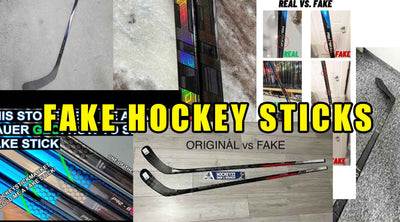
- Stay away from fakes: with counterfeit brand sticks, durability is a gamble – how to spot them is in our article on fake hockey sticks.
Stick broken – what now?
First: check the warranty (see above). Second: get a replacement before the next game. That's exactly what our in-stock collection is for: all seven SOYUZ models are in stock in SR, with the most popular curves P28 and P29. Order by 2 pm and the stick usually reaches you in Switzerland the next day.
A custom stick with your curve, your flex and your name takes 4–6 weeks and can't be returned. My tip: order your custom before the old stick breaks – and always keep a second stick with the same blade in your bag. Not sure which model suits you? The Stick Finder tells you in five questions.
Broken stick? You'll be back on the ice tomorrow.
All SOYUZ models in stock – order by 2 pm and it usually reaches you in Switzerland the next day.
See in-stock sticks → Configure custom Stick FinderFAQ about broken hockey sticks
How long does a hockey stick last?
It depends a lot on position, level and playing style. A recreational player who plays twice a week often gets through a whole season with one stick. Defensemen who block a lot of shots and players who take lots of slapshots go through considerably more.
Do expensive sticks break faster?
Not because of the price, but because of the weight: the lightest top models have the least material. A slightly heavier stick is often the more sensible choice for recreational and amateur players.
Is a break after a slapshot a warranty case?
Usually not – often the stick was already damaged by a hit or a puck. But if it breaks in the first few days with no obvious cause, it's always worth reporting.
Can you repair a broken carbon stick?
There are repair services that join broken shafts with a carbon sleeve. But a repaired stick feels different, is heavier and has a new weak point. Fine for practice – I wouldn't take it into a game.
How long is the warranty at ABSHockey?
30 days from receipt, for material and manufacturing defects – for in-stock and custom sticks. Claims go through the warranty form, with an answer within 2 business days.
Do sticks break more easily in the cold?
We don't have solid data on that. What we do know: almost every break has a mechanical history – a hit, a puck or a nick.
Read more
- How to tape a hockey stick: blade, grip and knob
- Which flex suits you? The flex chart
- Hockey stick balance explained
- Cutting or extending a hockey stick
- How to spot fake hockey sticks
- Ordering a custom stick: how it works
Sources: theScore, "Sticks still shatter for NHL players, sometimes at the worst moments" · Exponent / IMAT 2026, "Failure Analysis of Elite-Level Carbon Fiber Composite Hockey Sticks" · CCM warranty as reported by CP24 on 16 May 2025 · Bauer Stick Warranty (bauer.com) · SOYUZ test lab (STD PRO).

 SOYUZ HIT GRIT
 SOYUZ AURORA
 SOYUZ ARCANE